1. New federal red tape.
Land & Water Conservation Fund
Land and Water Conservation Fund

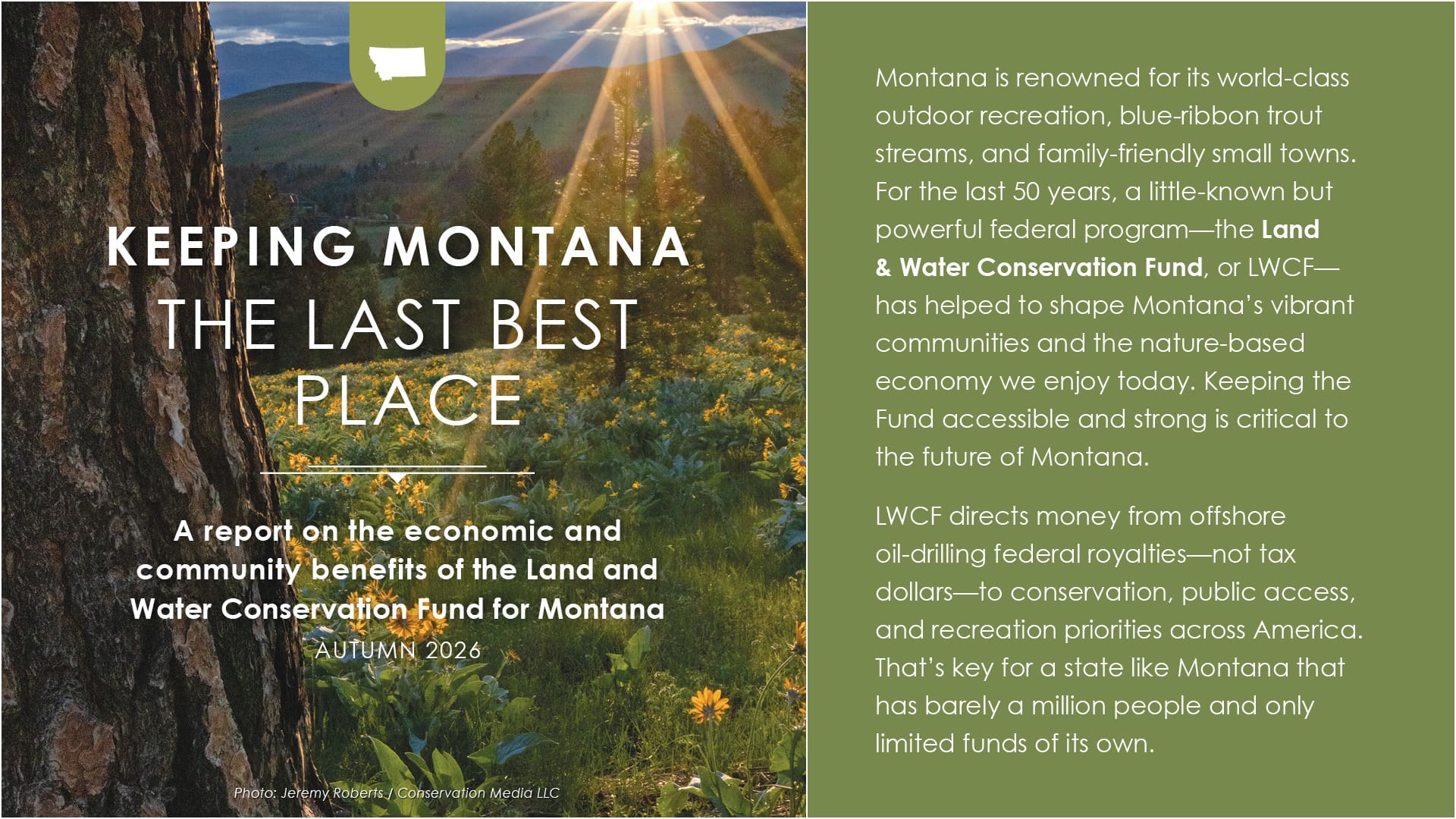
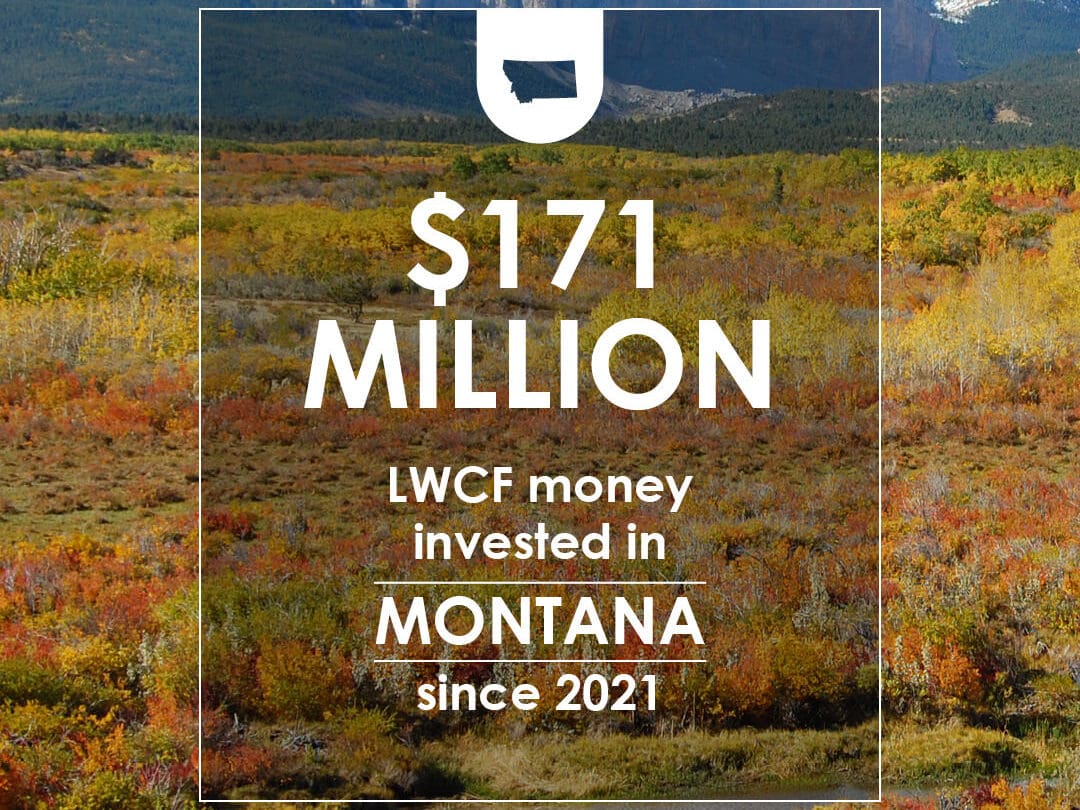
Montana Audubon has a long history of supporting the Land and Water Conservation Fund (LWCF) which protects Montana’s most important landscapes for birds, wildlife, and the communities who love them. These critical habitats and outdoor recreation spaces across the state, help ensure that Montana’s incredible natural heritage remains protected for generations to come. Continued LWCF investment for public land protection and outdoor recreation in Montana is crucial to ensuring this legacy and important driver of our economy. Today, outdoor recreation activities generate $3.4 billion in annual revenue to Montana, supporting nearly 31,000 sustainable jobs. Despite the incredible success of LWCF, we remain vigilant to pressing threats to this program and are working with our LWCF Coalition in Montana and nationally to ensure the continued success of the program.
Mike Penfold of Billings, Montana talks about his father’s role in creating LWCF.
LAND AND WATER CONSERVATION FUND REPORT
What’s at Risk?
The Department of the Interior and the U.S. Forest Service are implementing new restrictions and bureaucratic hurdles for LWCF projects. Additional requirements make it harder for Montana communities – especially small towns and rural governments with limited staff and resources – to compete for funding.
2. Diverting LWCF dollars.
Congress has repeatedly seen proposals to redirect LWCF funding away from its core conservation and public-access mission. Every dollar diverted means fewer resources for Montana parks, fishing access, public lands and working landscapes.
3. Undermining permanent funding.
LWCF was authorized for up to $900 million annually, but historically received far less. Permanent funding under the Great American Outdoors Act was a major bipartisan achievement. Montana should protect that progress, not go backward.
4. Losing public access.
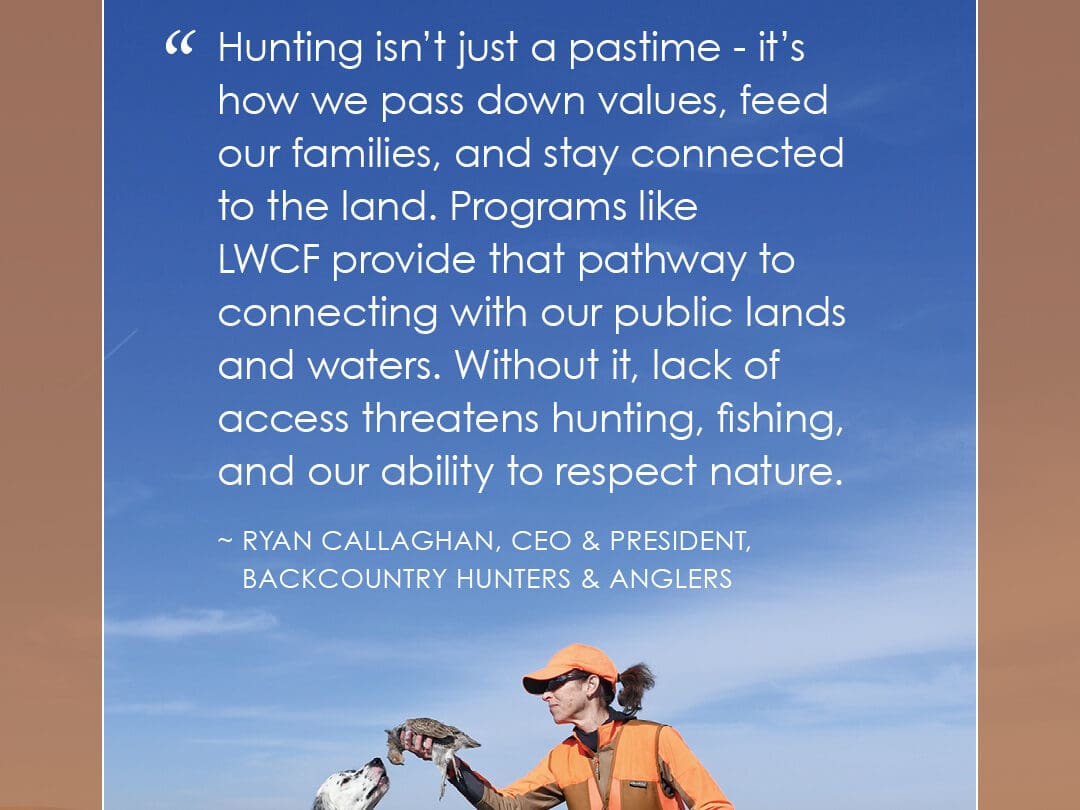
LWCF is not simply about acquiring land. It is about expanding and maintaining opportunities for Montanans to access public lands and waters. Weakening the program could make it harder to address access challenges, including checkerboard ownership and limited access to recreation areas.
Staff