

The Audubon Certified Bird Friendly seal is a new standard connecting consumers to conservation.
It meets the evolving nature of discerning consumers- those who seek out information and won’t be green-washed. They demand to know the story of their food and its impact on the land and environment. Buying meat is more than a transaction, but an investment in their- and their families’- future.
A nontraditional habitat program, Audubon Conservation Ranching (ACR) works at the unique intersection of wildlife, food, climate, and communities. When consumers choose products showcasing the Audubon Certified Bird Friendly seal, they’re knowingly purchasing products from lands where grazing and management practices ensure diverse bird habitat and forage, healthy soils, abundant pollinators, and cleaner waters. Ranchers enrolled in Audubon Conservation Ranching have a powerful story to tell and the seal to prove it.
Once a ranch is certified as “bird-friendly,” beef and bison products and promotional materials can carry the Audubon Certified Bird Friendly seal, letting consumers know the product originated on lands managed for birds and biodiversity.
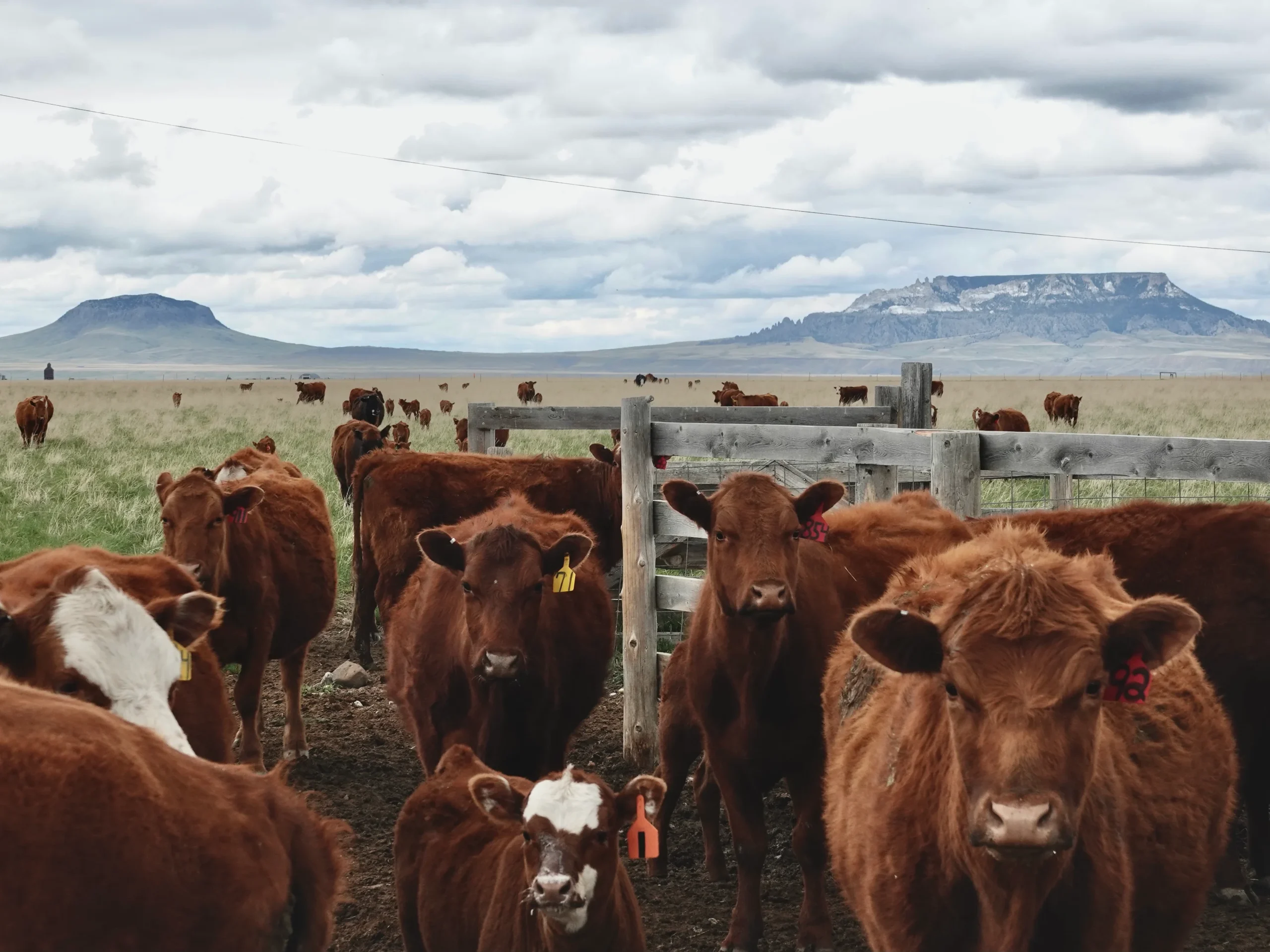
The 3 Program Standards to Become Audubon Certified
1. Habitat Management
Ranchers adopt a Habitat Management Plan (HMP) that addresses site-specific habitat goals and management actions to benefit target grassland bird species.
2. Animal Health and Welfare
Certified ranches demonstrate a commitment to properly caring for livestock by adhering to livestock production methods that reflect best practices for animal health and welfare. Growth hormones are prohibited.
3. Environmental Sustainability
By restricting pesticides, minimizing fertilizers and protecting streambanks, ranching practices result in cleaner streams, healthier soils, increased plant diversity and more pollinators. By implementing regenerative grazing approaches, these ranches are putting carbon back into the soil while becoming more climate-resilient.
View the full set of Audubon Conservation Ranching program standards at Audubon.org/ranching.
Program standards were developed by producers, cattle industry experts, and wildlife biologists to strike a meaningful balance among conservation, animal husbandry, consumer demands, and ranch economics. Audubon enlists Food Alliance as a third-party verifier- an ongoing assurance for consumers that products from Audubon Certified ranches meet program standards.
Ranch Onboarding Process
 Rancher/producer shows interest in the program.
- An assessment is completed to determine eligibility and suitability for program participation.
- A Habitat Management Plan (HMP) is developed for the ranch. This is a collaborative process with the rancher that generally takes 1-3 months.
- The HMP is finalized and approved by the rancher. The rancher signs a program agreement.
- Management actions are initiated to meet HMP goals and program standards.
- A certification audit is scheduled and conducted on the ranch prior to livestock being sold.
- Ranch product is approved for the Audubon Certified Bird Friendly seal if the audit results are acceptable.
 Rancher/producer shows interest in the program.
The process for onboarding a ranch into the program should begin a minimum of 6 months prior to the expected date in which that ranch’s livestock will be sold. An HMP and an Audubon agreement must be completed and signed before a certification audit can occur, which will finalize the approval of that ranch’s product compliance with Audubon protocols.
For more information contact: